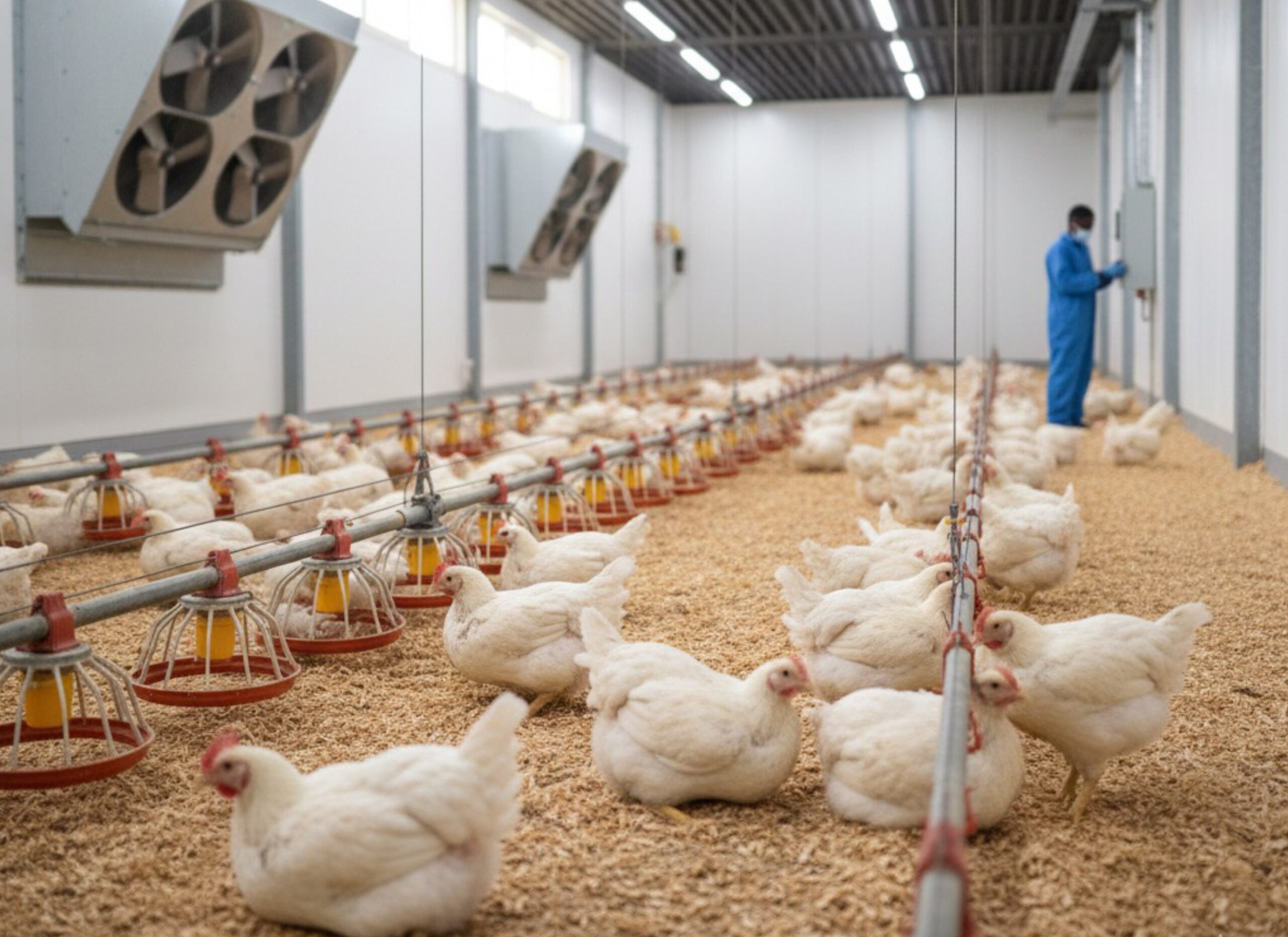
Poultry farming practices has evolved significantly over the years, moving beyond traditional methods into a more structured and science-driven agribusiness. Today, successful poultry production depends not only on the number of birds raised but on how well they are managed. Farmers who adopt modern poultry farming practices consistently achieve better growth rates, lower mortality, improved egg production, and higher profitability.
This article explores key modern poultry farming practices that help improve productivity and ensure long-term success, with a focus on feed management, hygiene, housing, and disease prevention.
Understanding Modern Poultry Farming
Modern poultry farming emphasizes efficiency, bird welfare, and biosecurity. It involves using proper management systems, quality inputs, and preventive health measures to maximize output while minimizing losses.
Whether you are raising broilers for meat or layers for egg production, the principles of modern poultry farming remain largely the same: healthy birds produce better results.
- Effective Feed Management for Optimal Growth
Feed is the single largest cost in poultry farming, accounting for up to 60–70% of production expenses. Proper feed management is therefore critical to achieving good yields.
i. Quality Feed Selection
Birds require balanced nutrition at different stages of growth. Modern poultry farming uses scientifically formulated feeds that provide the right mix of:
- Proteins for growth and muscle development
- Carbohydrates for energy
- Vitamins and minerals for immunity and bone strength
Using poor-quality or adulterated feed can slow growth, reduce egg production, and increase disease susceptibility.
ii. Stage-Specific Feeding
- Poultry birds have different nutritional needs at different stages:
- Starter feed for chicks
- Grower feed for developing birds
- Finisher feed for broilers nearing market weight
- Layer mash for egg-laying birds
Providing the correct feed at the right stage improves feed conversion ratio and reduces waste.
iii. Clean Water Supply
- Water is often overlooked, yet it is as important as feed. Birds should have constant access to clean, cool water. Contaminated water can spread diseases and reduce feed intake, affecting overall performance.
- Proper Housing and Environmental Control
Housing plays a major role in bird health, comfort, and productivity. Modern poultry housing is designed to protect birds from harsh weather, predators, and disease exposure.
i. Ventilation and Temperature Control
Good airflow helps remove heat, moisture, and harmful gases such as ammonia. Poor ventilation can stress birds and increase the risk of respiratory diseases.
Maintaining the right temperature is especially important for chicks, which are highly sensitive to cold and heat stress.
ii. Stocking Density
Overcrowding leads to stress, aggression, poor growth, and increased disease transmission. Modern poultry systems maintain appropriate stocking density to allow birds enough space to move freely and access feed and water easily.
iii. Lighting Management
Lighting influences feeding behavior, growth rate, and egg production. Proper light intensity and duration help regulate bird activity and improve productivity, especially in layer operations.3.
- Hygiene and Sanitation Practices
Good hygiene is a cornerstone of modern poultry farming. A clean environment reduces disease pressure and improves bird performance.
i. Regular Cleaning and Disinfection
Poultry houses, feeders, drinkers, and equipment should be cleaned and disinfected regularly. This helps eliminate bacteria, viruses, and parasites that can cause disease outbreaks.
ii. Litter Management
Wet or dirty litter encourages the growth of harmful microorganisms and causes foot problems in birds. Modern farms monitor litter moisture levels and replace litter when necessary.
iii. Farm Access Control
Restricting unnecessary movement in and out of the poultry house reduces the risk of introducing infections. Footbaths, protective clothing, and controlled visitor access are standard modern practices.
- Disease Prevention and Health Management
Preventing disease is far more cost-effective than treating it. Modern poultry farming practices focuses heavily on preventive health measures.
i. Vaccination Programs
A well-planned vaccination schedule protects birds against common poultry diseases such as Newcastle disease, Gumboro, and fowl pox. Vaccination should be done according to veterinary recommendations.
ii. Early Disease Detection
Farmers should observe birds daily for signs of illness such as reduced feed intake, abnormal droppings, or unusual behavior. Early detection allows for quick intervention before the disease spreads.
iii. Veterinary Support
Regular consultation with a qualified veterinarian ensures proper diagnosis, treatment, and health planning. Self-medication without expert guidance can worsen problems and increase losses.
- Record Keeping and Farm Monitoring
Modern poultry farming in Nigeria relies on accurate record keeping to measure performance and identify problems early.
Important records include:
- Feed consumption
- Mortality rates
- Egg production data
- Medication and vaccination history
These records help farmers evaluate profitability, plan future cycles, and make informed management decisions.
Benefits of Adopting Modern Poultry Farming Practices
Farmers who adopt modern methods enjoy several advantages:
- Improved growth rate and egg production
- Reduced mortality and disease outbreaks
- Better feed efficiency and cost control
- Higher quality meat and eggs
- Increased profitability and sustainability
Conclusion
Modern poultry farming in Nigeria is not just about raising birds; it is about managing a system efficiently. Proper feed management, clean housing, strict hygiene, and effective disease prevention work together to produce healthy birds and better yields.
By adopting these modern poultry farming practices, poultry farmers can reduce losses, improve productivity, and build a more profitable and sustainable agribusiness. In an increasingly competitive agricultural sector, investing in good management practices is no longer optional, it is essential for success.